


















Krisha Eye Hospital

Phacoemulsification with Intraocular Lens (IOL) implantation

Phacoemulsification with Intraocular Lens (IOL) implantation

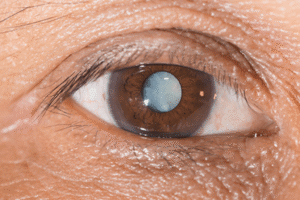
Cataracts are a leading cause of vision impairment globally, especially in older adults. Fortunately, phacoemulsification with intraocular lens (IOL) implantation has revolutionized the way cataracts are treated, offering safer, faster, and more effective outcomes than ever before.

In this blog, we’ll walk you through what this procedure entails, why it’s preferred, and what you can expect before, during, and after surgery.

Table of Contents

What is phacoemulsification?

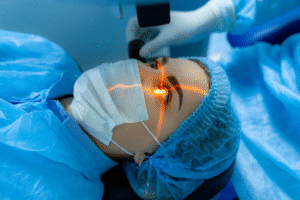
Phacoemulsification is a minimally invasive cataract surgery technique in which the clouded natural lens of the eye is emulsified (broken up using ultrasonic waves) and removed through a small incision. Once the cataract is removed, a clear artificial intraocular lens (IOL) is implanted in its place to restore vision.

Concerned about your vision? Our specialists at Krisha Eye Hospital, Ahmedabad are here to help.

Krisha Eye Hospital — Near Vaishnodevi Circle, Ahmedabad

📞 Call Now 💬 WhatsApp Us

Why is phacoemulsification the gold standard?

Compared to traditional cataract surgery, phacoemulsification offers many advantages:

  • Smaller incision size (2-3 mm)
  • Faster recovery time
  • Minimal or no stitches
  • Lower risk of complications
  • Precise IOL placement

Understanding the role of Intraocular Lenses (IOLs)

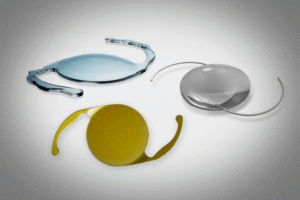
After removing the cataract, your eye needs a replacement lens to focus light correctly onto the retina. That’s where intraocular lenses (IOLs) come in. There are several types:

1. Monofocal IOLs

  • Provide clear vision at one distance (usually far).
  • Reading glasses may be required for close-up work.

2. Multifocal IOLs

  • Offer vision at multiple distances (near, intermediate, and far).
  • May reduce or eliminate the need for glasses.

3. Toric IOLs

  • Designed for patients with astigmatism.
  • Correct both cataracts and corneal irregularities.

4. Extended Depth of Focus (EDOF) IOLs

  • Provide a continuous range of vision and better intermediate vision.

Your ophthalmologist will recommend the best IOL based on your eye health, lifestyle, and vision needs.

The step-by-step procedure

1. Preoperative evaluation

Before the surgery, your eye will be examined thoroughly using:

  • Biometry (for IOL power calculation)
  • Corneal measurements
  • General health screening

2. The day of surgery

  • You’ll receive local anesthesia (usually eye drops).
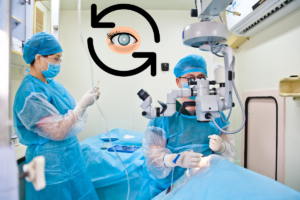
  • A small incision (2-3 mm) is made in the cornea.
  • The cataract is emulsified using ultrasonic vibrations.
  • The lens fragments are gently suctioned out.
  • A foldable IOL is inserted through the same incision and unfolded inside the eye.

The procedure usually takes 15–30 minutes and is painless.

Recovery & Aftercare

  • Vision may be blurry at first but improves within a few days.
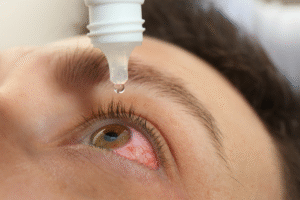
  • You’ll be prescribed antibiotic and anti-inflammatory eye drops.
  • Avoid touching or rubbing your eye.
  • Protect your eye from dust and water.
  • Wear protective glasses as advised.

Full recovery typically occurs within 4 to 6 weeks, although many patients return to normal activities in just a few days.

Risks & Complications (Though rare)

Phacoemulsification is very safe, but like all surgeries, it carries some risk:

  • Infection (endophthalmitis)
  • Swelling
  • Posterior capsule opacification (PCO)
  • Retinal detachment (very rare)

Timely follow-ups ensure any issues are detected early.

Who is a good candidate?

Most individuals with visually significant cataracts are good candidates. However, suitability also depends on:

  • Overall eye health (e.g., retina and corneal condition).
  • Co-existing conditions (e.g., glaucoma, macular degeneration)
  • General health status

Conclusion

Phacoemulsification with IOL implantation is a game-changing procedure in cataract treatment, offering precision, comfort, and long-term visual improvement. With a wide variety of IOLs to choose from, patients can achieve vision tailored to their lifestyle.

If you’re experiencing blurry vision, difficulty seeing at night, or halos around lights, don’t ignore the signs. Cataracts are highly treatable—and the earlier you act, the better your visual outcome will be.

At Krisha Eye Hospital, we specialize in modern cataract surgery using advanced phacoemulsification techniques and premium IOL options. Book a consultation with our experienced ophthalmologists and take the first step toward clearer vision.

Author bio

Dr. Dhwani Maheshwari, an esteemed ophthalmologist with over 10 years of experience, leads Krisha Eye hospital in Ahmedabad with a commitment to advanced, patient-centered eye care. Specializing in cataract and refractive surgery, Dr. Maheshwari has performed more than a thousand successful surgeries. Her expertise lies in phacoemulsification, a technique recognized for its precision in cataract treatment.

Dr. Maheshwari’s educational journey includes an MBBS from Smt. NHL MMC, a DOMS from M & J Institute of Ophthalmology, and a DNB in Ophthalmology from Mahatme Eye Bank Eye Hospital, Nagpur. She also completed a fellowship in phacoemulsification at Porecha Blindness Trust Hospital, further enhancing her surgical skills. In addition to her work at Krisha Eye Hospital, Dr. Maheshwari serves as a consultant ophthalmologist at Northstar Diagnostic Centre.

Under her leadership, Krisha Eye Hospital aims to bring all superspecialties under one roof, offering comprehensive eye care solutions for all vision needs.

FAQs

No. It’s done under local anesthesia, and patients usually feel no pain during the surgery.

That depends on the type of IOL chosen. Monofocal lenses may still require reading glasses. Multifocal or EDOF IOLs often reduce or eliminate the need. For more detailed information, read our blog “Will I need glasses after cataract surgery?”

Generally, one eye is operated on at a time. The second eye is treated after the first has healed.

IOLs are designed to be permanent and typically last a lifetime.

No, but you might develop posterior capsule opacification (PCO), which can cause cloudy vision. It is easily treatable with a quick laser procedure. For more detailed information, read our blog “Can cataracts return after surgery?”

There’s no strict age limit. As long as you are healthy enough for eye surgery and have a significant cataract, age is not a barrier.

Most patients can resume light activities like reading or watching TV the next day. However, avoid strenuous exercise, heavy lifting, swimming, and rubbing the eye for at least a couple of weeks.

You should not drive immediately after surgery. Wait until your doctor confirms that your vision has stabilized—typically within a few days to a week.

In many cases, yes. Basic cataract surgery with monofocal IOLs is often covered. However, premium IOLs (like multifocal or toric) may require additional payment. Always check with your insurance provider.

Phacoemulsification can still be performed, but your ophthalmologist will evaluate your overall eye health and may adjust the treatment plan accordingly.

Yes, if you opt for a toric IOL, which is specifically designed to correct astigmatism along with cataracts.

No, the IOL is placed inside the eye where you won’t feel or see it. It becomes a permanent part of your eye’s focusing system.

Your choice depends on your vision goals, lifestyle, and eye health. Your eye surgeon will help you decide based on detailed eye measurements and a consultation about your daily needs.

The procedure itself is not repeated because the natural lens is removed permanently. However, if any issues like PCO arise, a quick YAG laser capsulotomy can restore clear vision without another surgery.

Other blogs related to cataract

Cataract Surgery in Ahmedabad: A Complete Step-by-Step Patient Guide (2026)

Cataract Surgery in Ahmedabad: A Complete Step-by-Step Patient Guide (2026)

10 Best Eye Hospitals in Ahmedabad for Cataract Surgery & Eye Care (2026)

10 Best Eye Hospitals in Ahmedabad for Cataract Surgery & Eye Care (2026)

Best Cataract Surgeon in Ahmedabad: What to Look For

Best Cataract Surgeon in Ahmedabad: What to Look For

How to Prepare for Cataract Surgery: A Complete Checklist

How to Prepare for Cataract Surgery: A Complete Checklist

How to prevent eye damage from a phone ?

How to prevent eye damage from a phone ?

Headache with Blurry vision: Common causes and When to worry

Headache with Blurry vision: Common causes and When to worry

Diabetic Retinopathy: Early signs you should never ignore

Diabetic Retinopathy: Early signs you should never ignore

Blurry vision and Diabetes – What you should know

Blurry vision and Diabetes – What you should know

LASIK eye surgery Vs Contact lenses

LASIK eye surgery Vs Contact lenses

MICS cataract surgery – Procedure, Benefits, Cost & Recovery

MICS cataract surgery – Procedure, Benefits, Cost & Recovery

Pterygium: Symptoms, Causes, and Modern treatment options

Pterygium: Symptoms, Causes, and Modern treatment options

What to expect during and after myopia surgery?

What to expect during and after myopia surgery?

Early signs of eye cataract disease you shouldn’t ignore

Early signs of eye cataract disease you shouldn’t ignore

Cataract surgery & Aging: What seniors should know?

Cataract surgery & Aging: What seniors should know?

Laser cataract surgery: Is it worth the upgrade?

Laser cataract surgery: Is it worth the upgrade?

Laser vs Traditional cataract surgery: Which is better?

Laser vs Traditional cataract surgery: Which is better?

Do you still need glasses after cataract surgery?

Do you still need glasses after cataract surgery?

Choosing the right lens for cataract surgery: A complete guide

Choosing the right lens for cataract surgery: A complete guide

Types of cataract surgery explained: Benefits and Limitations

Types of cataract surgery explained: Benefits and Limitations

Cataract surgery in patients with glaucoma

Cataract surgery in patients with glaucoma

Dry eyes after cataract surgery

Dry eyes after cataract surgery

Can I do laundry after cataract surgery? 

Can I do laundry after cataract surgery? 

What do I wish I knew before cataract surgery?

What do I wish I knew before cataract surgery?

Which season is best for cataract surgery?

Which season is best for cataract surgery?

What are congenital cataracts? Symptoms, Causes, & Treatment

What are congenital cataracts? Symptoms, Causes, & Treatment

Phacoemulsification with Intraocular Lens (IOL) implantation

Phacoemulsification with Intraocular Lens (IOL) implantation

Monofocal vs Multifocal lenses: Which one should you choose?

Monofocal vs Multifocal lenses: Which one should you choose?

Complications of cataract

Complications of cataract

Best sleeping positions after cataract surgery

Best sleeping positions after cataract surgery

Showering and Washing hair after cataract surgery

Showering and Washing hair after cataract surgery

Can cataract be cured by eye drops?

Can cataract be cured by eye drops?

How long does cataract surgery take?

How long does cataract surgery take?

Housework after cataract surgery: What you can & cannot do

Housework after cataract surgery: What you can & cannot do

How soon after cataract surgery can I get new glasses?

How soon after cataract surgery can I get new glasses?

Will I need glasses after cataract surgery?

Will I need glasses after cataract surgery?

Pediatric cataract surgery: Everything parents need to know

Pediatric cataract surgery: Everything parents need to know

Cataract & Driving: What you need to know for safe road travel

Cataract & Driving: What you need to know for safe road travel

Can cataracts return after surgery?

Can cataracts return after surgery?

Everything about cataracts & surgery: A detailed guide

Everything about cataracts & surgery: A detailed guide

How to prepare for cataract surgery: A pre-surgery checklist

How to prepare for cataract surgery: A pre-surgery checklist

Is cataract surgery painful? Addressing common concerns

Is cataract surgery painful? Addressing common concerns

What will happen if a cataract is left untreated?

What will happen if a cataract is left untreated?

How to choose the right surgeon for your cataract surgery?

How to choose the right surgeon for your cataract surgery?

How do cataracts affect night vision?

How do cataracts affect night vision?

Can I cook after cataract surgery?

Can I cook after cataract surgery?

10 common myths about cataracts & cataract surgery

10 common myths about cataracts & cataract surgery

Do’s and Don’ts after cataract surgery

Do’s and Don’ts after cataract surgery

What are the most common problems after cataract surgery?

What are the most common problems after cataract surgery?

Can cataract surgery be done twice to the same eye?

Can cataract surgery be done twice to the same eye?

Can cataracts cause blindness?

Can cataracts cause blindness?

How long should you wait between cataract surgeries on each eye?

How long should you wait between cataract surgeries on each eye?

What to expect before, during, and after cataract surgery?

What to expect before, during, and after cataract surgery?

Glaucoma vs. Cataracts: What’s the difference?

Glaucoma vs. Cataracts: What’s the difference?

Difference between mature & immature cataract

Difference between mature & immature cataract

Cataract & Diabetes: Symptoms, Causes & Treatment

Cataract & Diabetes: Symptoms, Causes & Treatment

Foods not to eat after cataract surgery

Foods not to eat after cataract surgery

How long does it take to recover from cataract surgery?

How long does it take to recover from cataract surgery?

Essential precautions to take after cataract surgery

Essential precautions to take after cataract surgery

How to choose the right cataract lens (IOL)?

How to choose the right cataract lens (IOL)?

Concerned about your vision? Our specialists at Krisha Eye Hospital, Ahmedabad are here to help.

Krisha Eye Hospital — Near Vaishnodevi Circle, Ahmedabad

📞 Call Now 💬 WhatsApp Us