- 2nd Floor, Shaligram Lakeview Commercial, nr. Vaishnodevi Circle, Ahmedabad

Squint Treatment in Ahmedabad
Squint, medically known as strabismus, is a condition where the eyes do not align properly. One eye may turn inward, outward, upward, or downward while the other looks straight ahead. It is one of the most common eye conditions in children, but it can affect adults too. At Krisha Eye Hospital, Ahmedabad, we provide comprehensive squint treatment for patients of all ages.
What is Squint (Strabismus)?
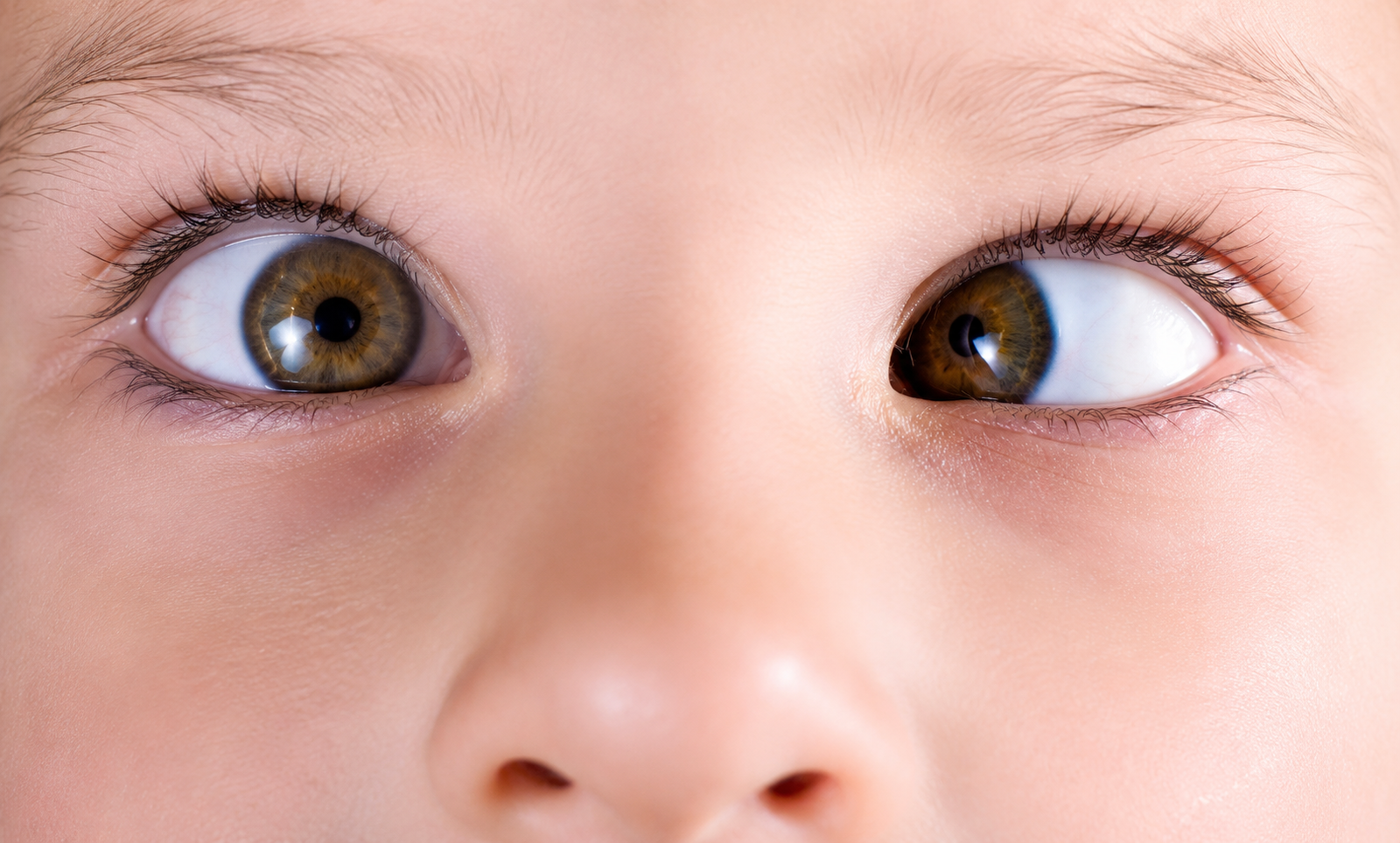
Squint occurs when the six muscles that control each eye's movement do not work in a balanced, coordinated way. Normally, both eyes point at the same object and the brain combines the two images into one clear picture. When one eye deviates, the brain receives two mismatched images, which can lead to double vision or, in children, the brain may start to ignore the weaker eye entirely.
In children, squint is closely linked to amblyopia, commonly called lazy eye. If left untreated during the critical window of visual development (up to approximately age 7 to 8), the vision in the turned eye may not develop fully and can remain permanently reduced. This is why early detection and prompt squint treatment in Ahmedabad matters so much. Our paediatric ophthalmology team is trained to identify and manage squint from infancy onwards.
In adults, squint most often results from nerve or muscle problems, systemic conditions, or decompensated childhood squint. Adults may experience persistent double vision and loss of depth perception. Both surgical and non-surgical options are available at Krisha Eye Hospital to restore alignment and improve quality of life at any age.
Symptoms, Causes & Complications
- Eyes pointing in different directions at the same time
- Double vision, particularly when squint develops in adults
- Head tilting or turning to one side to compensate for the misalignment
- Closing one eye in bright sunlight to avoid double vision
- Poor depth perception, making it difficult to judge distances accurately
- Eye strain or headaches after tasks requiring sustained concentration
- Refractive errors such as long-sightedness or short-sightedness that are not corrected with glasses
- Family history of squint, as the condition can run in families
- Weakness or paralysis of the nerves or muscles controlling eye movement
- Brain conditions including cerebral palsy or hydrocephalus
- Other eye conditions such as cataract or significant refractive asymmetry between the two eyes
- Premature birth, which increases the risk of several visual problems including squint
- Trauma or injury affecting the eye or surrounding structures
- Amblyopia (lazy eye), the most common complication, where the brain suppresses images from the turned eye, resulting in permanently reduced vision if not treated in childhood
- Permanent vision loss in the affected eye when amblyopia is left untreated during the critical period of visual development
- Loss of depth perception and stereoscopic vision, affecting tasks such as driving and sports
- Social and psychological impact, particularly in school-age children and adults who are self-conscious about their appearance
- Diplopia (double vision) in adults who develop squint later in life, affecting daily activities and independence
Types of Squint
Squint is classified by the direction of deviation, the age of onset, and what triggers it. Identifying the type is key to planning the right treatment, whether that is glasses, patching, or squint surgery in Ahmedabad.
Esotropia
Inward turning of the eye (convergent squint). The most common type seen in children, often associated with uncorrected long-sightedness.
Exotropia
Outward turning of the eye (divergent squint). Often intermittent, becoming more noticeable when the child is tired, unwell, or looking into the distance.
Hypertropia
Upward deviation of one eye. Commonly caused by a palsy of the fourth cranial nerve and may cause a characteristic head tilt to compensate.
Hypotropia
Downward deviation of one eye. Can arise from mechanical restriction, nerve palsy, or after trauma to the orbital structures.
Infantile Squint
A squint present from birth or within the first six months of life. Requires early intervention to prevent amblyopia and give the best chance of developing binocular vision.
Accommodative Squint
Triggered by the extra effort the eye makes to focus, typically in children with significant long-sightedness. Often fully or partially correctable with glasses alone.
Squint Treatment Options in Ahmedabad
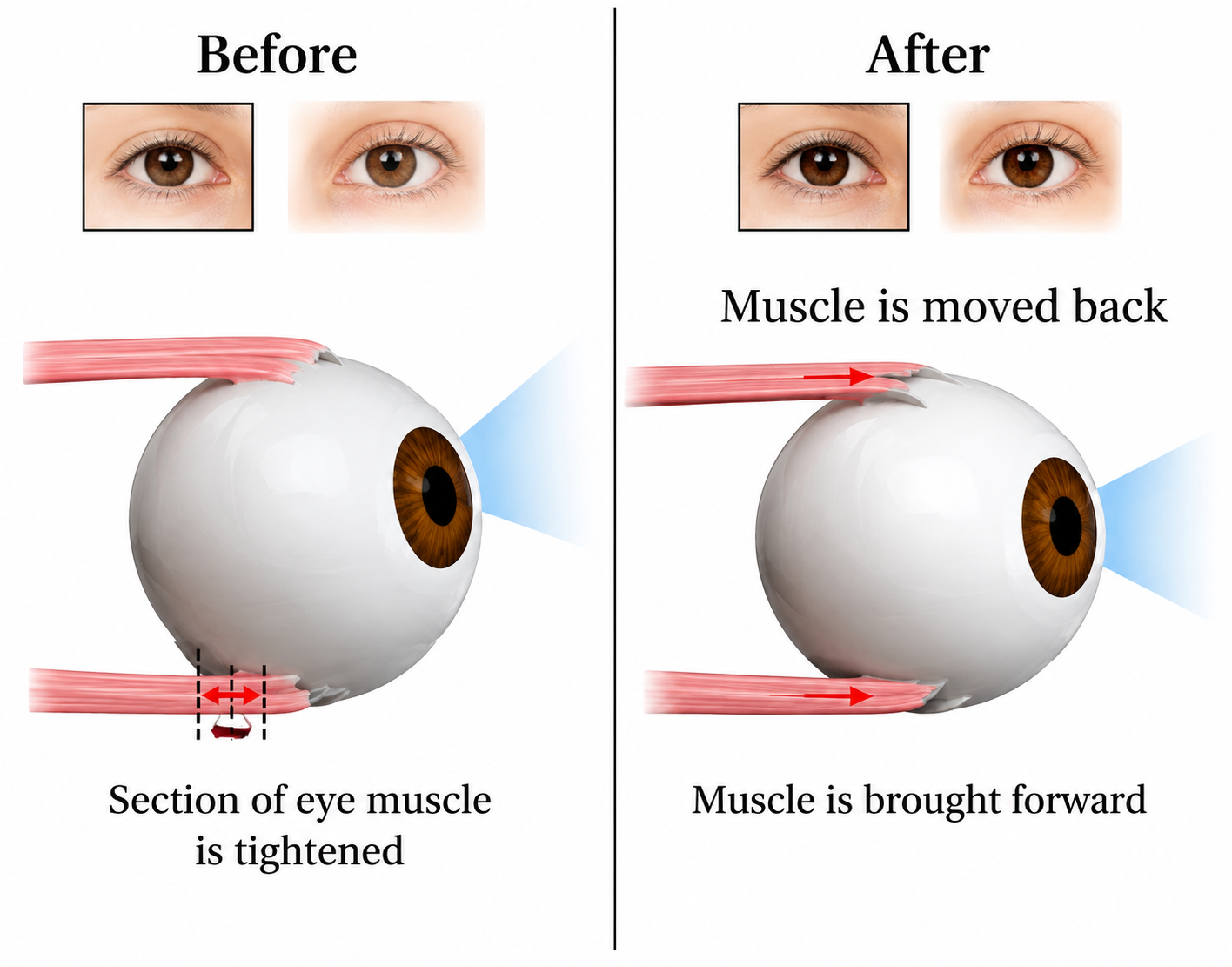
The right treatment depends on the type of squint, the age of the patient, and whether amblyopia is present. At Krisha Eye Hospital, we start with the least invasive option and progress to surgery only when necessary. Every patient receives a thorough evaluation before any treatment is planned.
Prescription Glasses
Corrects the refractive error driving accommodative squint. Often the first treatment tried in children, and in some cases it fully resolves the deviation without surgery.
Patching Therapy (Occlusion)
The stronger eye is patched for several hours each day, forcing the weaker eye to work and build vision. This treats amblyopia alongside the squint itself.
Eye Exercises (Orthoptic Therapy)
Targeted exercises to strengthen coordination between the two eyes. Suitable for certain types of intermittent squint, particularly convergence insufficiency.
Botulinum Toxin Injection
A small injection temporarily weakens an overactive eye muscle to allow better alignment. Used in selected cases or as a diagnostic test before deciding on surgery.
Squint Surgery in Ahmedabad
The eye muscles are repositioned to realign the eyes. Performed under general anaesthesia in children and local anaesthesia in adults. The most definitive treatment when non-surgical options are not sufficient.
Post-Surgical Follow-up
Glasses or patching may still be needed after surgery to maintain alignment and treat any remaining amblyopia. Follow-up at day 1, week 1, and month 1 is scheduled for every surgical patient.
Before, During & After Squint Surgery
Knowing what to expect at each stage helps reduce anxiety for both patients and parents. Click each heading to expand the details.
Before Surgery
- A full eye examination is carried out, including a cover test and prism bar assessment to measure the angle of deviation.
- Refraction under cycloplegia (dilating eye drops) is performed to accurately determine whether glasses are needed before surgery is planned.
- Blood tests and a fitness-for-anaesthesia assessment are arranged if required, particularly for paediatric patients.
- Children must fast from midnight before surgery (no food or water) to allow safe general anaesthesia.
During Surgery
- Surgery for children is performed under general anaesthesia in a controlled operating environment.
- The procedure typically takes 30 to 60 minutes, depending on how many muscles require adjustment.
- The surgeon recesses (weakens) or resects (tightens) the relevant eye muscles to achieve the desired alignment.
- In adults, an adjustable suture technique may be used under local anaesthesia, allowing fine-tuning of alignment while the patient is awake before the suture is secured.
After Surgery
- The eye may appear red for 2 to 4 weeks after the procedure. This is a normal part of healing and settles on its own.
- Use the prescribed antibiotic and anti-inflammatory eye drops as directed throughout the recovery period.
- Follow-up appointments are scheduled at day 1, week 1, and month 1 to monitor alignment and healing.
- Glasses and patching therapy may need to continue after surgery if a refractive error is present or amblyopia requires further treatment.
Why Choose Krisha Eye Hospital for Squint Treatment?
- Experienced team for comprehensive squint assessment and surgical correction across all age groups
- Child-friendly examination setup designed to keep paediatric patients calm and cooperative
- Thorough pre-surgical evaluation including cycloplegic refraction and binocular vision assessment
- Both surgical and non-surgical treatment pathways available, tailored to the individual patient
- Structured post-operative patching and amblyopia management to protect the final result
- Transparent pricing with a full cost breakdown shared at consultation, no hidden charges
- Conveniently located near Vaishnodevi Circle, Ahmedabad, with easy access from across the city
Can Squint Be Prevented?
Squint cannot always be prevented, but early detection and prompt action significantly reduce the risk of serious complications such as amblyopia and permanent vision loss.
- Schedule an eye check-up for your child before age 3, even if there are no obvious symptoms or family history.
- Address refractive errors with glasses as soon as they are diagnosed. Uncorrected long-sightedness is a common cause of accommodative squint.
- Do not ignore a child's habit of tilting their head, closing one eye, or squinting frequently. These are warning signs that need evaluation.
- Attend all follow-up appointments if your child has already been diagnosed with squint, as the condition can change during visual development.
- Maintain patching therapy as advised by your doctor, even if the child is resistant. Consistency is essential for treating amblyopia.
- Adults who develop a sudden squint should seek prompt evaluation, as it can be a sign of an underlying neurological or systemic condition.
- Early squint treatment in Ahmedabad at a dedicated eye hospital significantly reduces the risk of permanent amblyopia compared to delayed management.
What Our Patients Say
Real experiences from patients and families who came to Krisha Eye Hospital for squint treatment in Ahmedabad.
★★★★★
"My son was 3 years old when we noticed his eye turning inward. We were very worried. The doctor explained everything clearly and started him on glasses with patching. Within 6 months the squint had reduced significantly. I am so relieved we came here early."
Kavita Patel
Mother of paediatric patient, Ahmedabad
★★★★★
"I had intermittent exotropia since childhood but always avoided surgery out of fear. Finally, at 26, I decided to get it done at Krisha Eye Hospital. The team was very reassuring, the procedure was smooth, and my eyes are properly aligned now. I wish I had come sooner."
Mihir Joshi
Software professional, age 26
★★★★★
"My granddaughter's squint was noticed at a family function. We came to Krisha Eye Hospital the very next week. The doctor was patient and kind with her. After patching and glasses her vision improved and the misalignment is barely visible now. Very thankful."
Rekha Shah
Grandmother of patient, Gandhinagar
★★★★★
"I had squint surgery as a child but it recurred in my thirties. The team at Krisha Eye Hospital did a thorough assessment and used an adjustable suture technique. The outcome is excellent and my confidence has improved a lot. Professional and caring throughout."
Darshit Mehta
Businessman, age 34
Our Doctor
Squint treatment at Krisha Eye Hospital is provided by an experienced ophthalmology team. Our lead surgeon oversees all pre-operative and post-operative management.
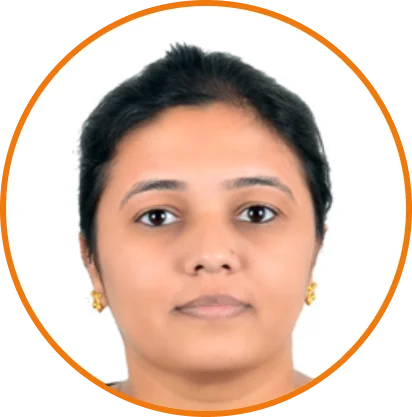
Dr. Dhwani Maheshwari
Cataract & Refractive Surgeon | Krisha Eye Hospital, Ahmedabad
Dr. Dhwani Maheshwari is a cataract and refractive surgeon at Krisha Eye Hospital, Ahmedabad, with more than 5,000 surgeries performed. She completed her DOMS from Civil Hospital Ahmedabad and works alongside the hospital's ophthalmology team to provide complete eye care, including squint assessment and management for patients of all ages. Early evaluation is a priority at Krisha Eye Hospital for all paediatric eye conditions.
Book a ConsultationFrequently Asked Questions
Questions we commonly hear from patients and parents at Krisha Eye Hospital, Ahmedabad.
At what age should squint be treated?
Squint should ideally be treated as early as possible, because the visual system is still developing in children up to approximately age 7 to 8. Early treatment gives the best chance of restoring alignment and preventing amblyopia. However, squint surgery can be performed at any age, including in adults, and still provides meaningful improvement.
Can squint be corrected without surgery?
In some cases, yes. Accommodative squint caused by uncorrected long-sightedness can be fully corrected with glasses alone. Patching and exercises help in mild cases. However, if the squint persists despite these measures, surgery is usually recommended for the best functional and cosmetic outcome.
Is squint surgery safe for children?
Yes. Squint surgery is a well-established procedure performed routinely in children. It is done under general anaesthesia and typically takes 30 to 60 minutes. The risks are low when performed by an experienced surgeon. Some redness and mild discomfort are expected in the days following surgery.
Will my child need glasses after squint surgery?
Possibly. Surgery corrects the alignment of the eyes, but if your child has a refractive error, glasses will still be needed to maintain clear vision. Patching therapy may also continue after surgery if amblyopia is present.
Can adults get squint surgery?
Yes. Adults can and do benefit from squint surgery, both for functional reasons such as double vision and for cosmetic improvement. Surgery in adults can often be done under local anaesthesia with an adjustable suture technique, allowing fine-tuning of alignment while the patient is awake.
What is the approximate cost of squint surgery in Ahmedabad?
The cost of squint surgery in Ahmedabad depends on the type of squint, whether one or both eyes require surgery, and the anaesthesia used. Krisha Eye Hospital provides a full cost breakdown during consultation, with no hidden charges. Please contact us for a clear estimate for your specific case.
How long does recovery take after squint surgery?
Most children return to their normal routine within 1 to 2 weeks. The eyes may appear red for 2 to 4 weeks. Full stabilisation of alignment can take several months, and follow-up appointments are essential during this period to monitor the result and manage any remaining amblyopia.
Related Treatments at Krisha Eye Hospital
Explore other services offered by our team in Ahmedabad.
Contact Us For Any Further Question
Send us a message or visit us at our hospital near Vaishnodevi Circle, Ahmedabad.
Krisha Eye Hospital
2nd Floor, Shaligram Lakeview Commercial, near Vaishnodevi Circle, Ahmedabad 382421
Phone: +91 75677 67701
Mon–Sat: 10:30 AM – 1:30 PM & 6:00 PM – 7:30 PM
info@krishaeyehospital.com
Medical Disclaimer: The information on this page is provided for general educational purposes only and does not constitute medical advice. It is not a substitute for professional diagnosis, consultation, or treatment by a qualified ophthalmologist. Always consult a qualified eye care professional regarding any eye condition. Krisha Eye Hospital, Ahmedabad, does not accept liability for decisions made on the basis of information provided on this website.