- 2nd Floor, Shaligram Lakeview Commercial, nr. Vaishnodevi Circle, Ahmedabad

Dry Eye Treatment in Ahmedabad
Dry eye disease is more than occasional discomfort. It is a chronic condition that affects millions of people across India, including a growing number of working adults in Ahmedabad. At Krisha Eye Hospital, we assess and manage dry eye disease comprehensively, from basic lubrication advice through to advanced treatment for meibomian gland dysfunction and chronic dry eye.
What is Dry Eye Disease?
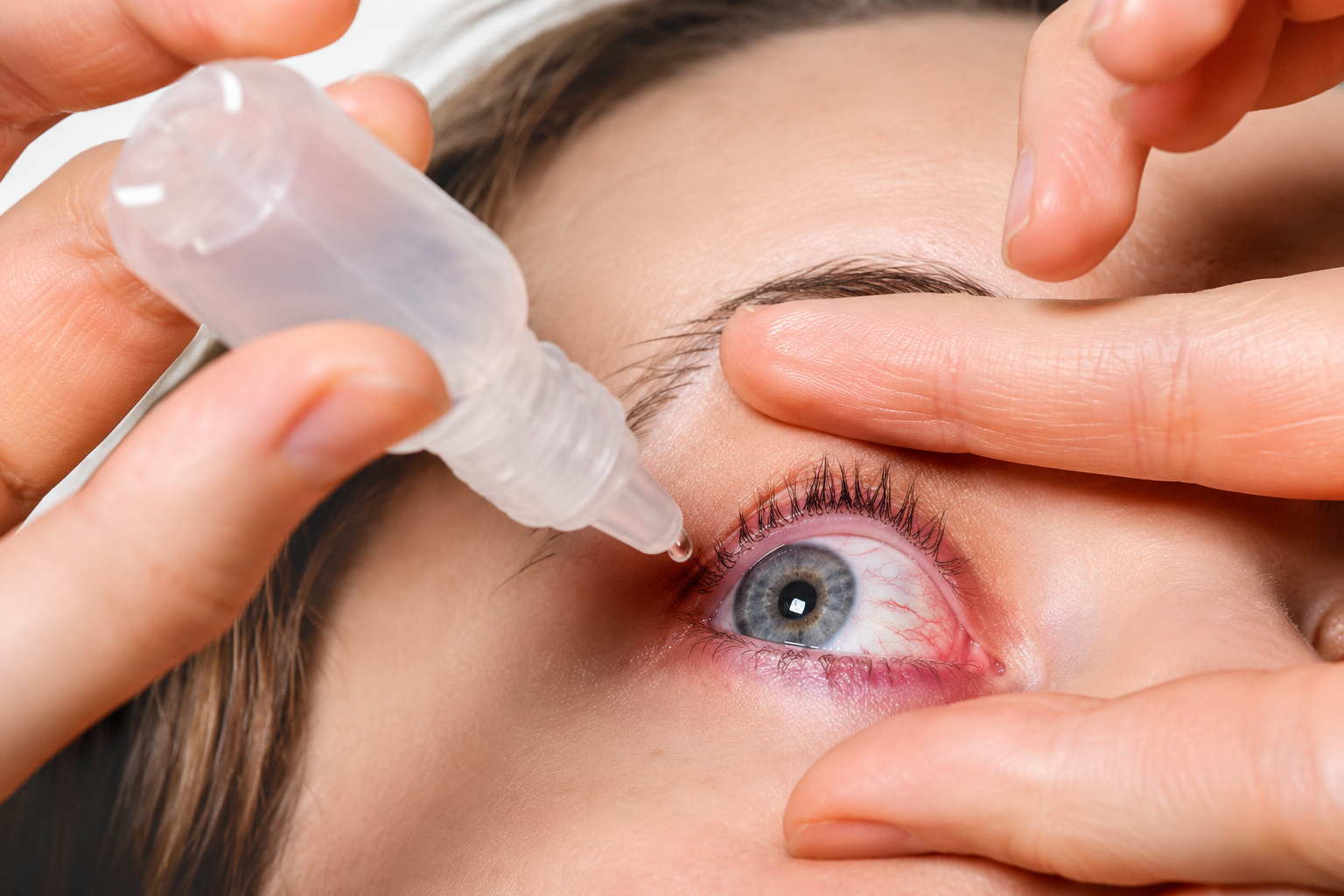
Dry eye disease occurs when the eyes do not produce enough tears, or when the tears produced evaporate too quickly. Both problems lead to the same result: the surface of the eye becomes inflamed and damaged over time. It is a chronic condition that tends to worsen if left untreated.
The tear film has three layers: an outer oily layer produced by the meibomian glands in the eyelids, a middle watery layer, and an inner mucin layer. A problem with any of these layers can cause dry eye symptoms. The most common type is evaporative dry eye, caused by meibomian gland dysfunction (MGD), where the oil layer is insufficient and tears evaporate faster than normal.
Dry eye is particularly common among screen users, contact lens wearers, older adults, and women after menopause. If you experience persistent eye discomfort, redness, or blurred vision, a comprehensive eye check-up in Ahmedabad can identify the cause and guide treatment.
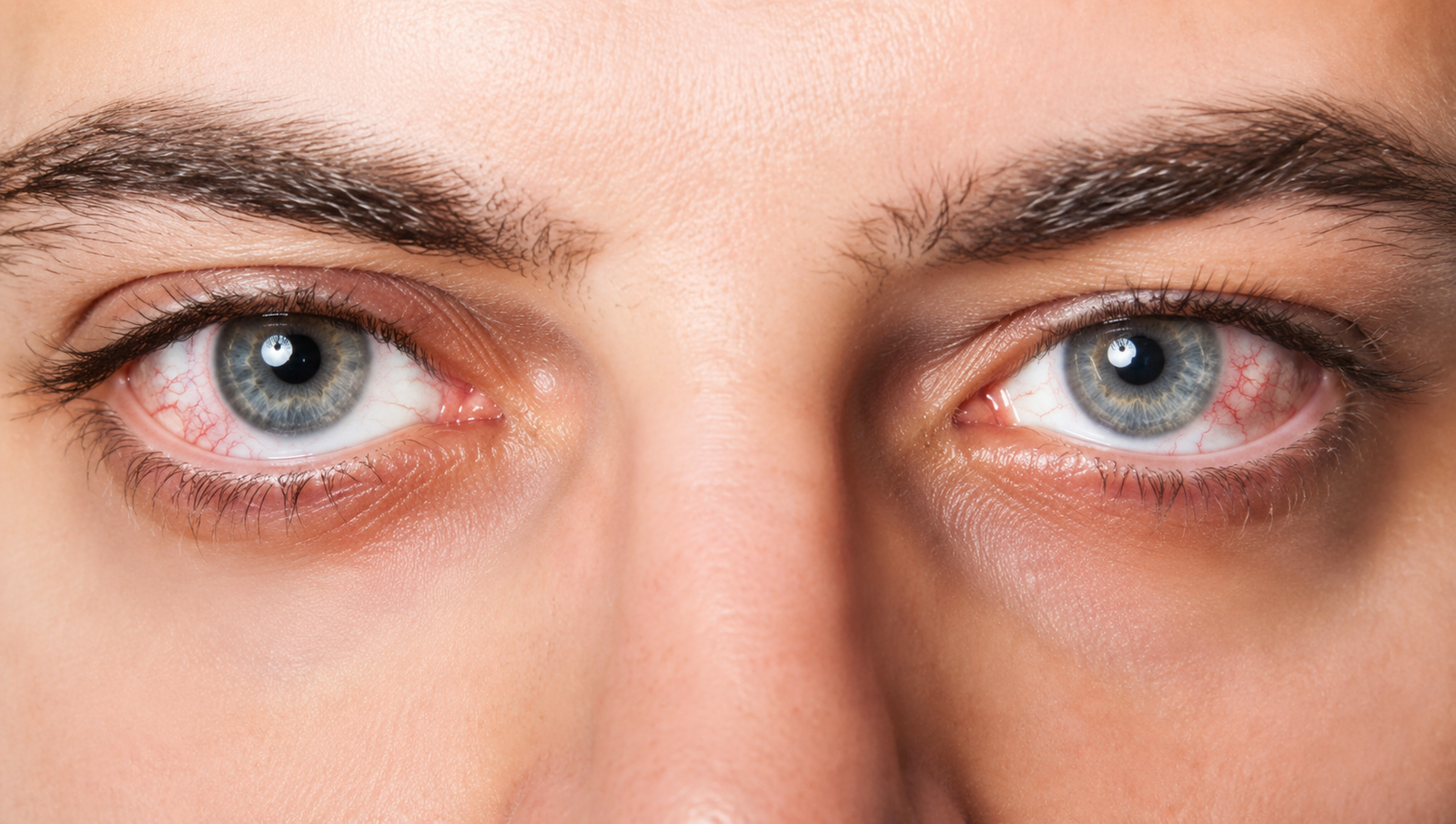
Dry eye disease presents differently from person to person. Some patients experience burning and redness; others notice fluctuating vision or excessive watering. Understanding your symptoms, their causes, and potential complications helps your doctor choose the most effective treatment.
Use the tabs below to explore each area.
Common Symptoms of Dry Eye Disease
- Persistent dryness or gritty sensation in the eyes
- Burning or stinging that worsens by late afternoon
- Redness, especially after screen use or air-conditioned environments
- Blurred vision that clears briefly after blinking
- Light sensitivity (photophobia) in bright or outdoor light
- Excessive watering, which is a reflex response to dryness
- Discomfort or intolerance when wearing contact lenses
Common Causes of Dry Eye Disease
- Meibomian gland dysfunction (blocked oil glands in the eyelids), which is the most common cause
- Reduced blinking during prolonged screen use
- Aging, as tear production decreases naturally with age
- Hormonal changes especially in women after menopause
- Prolonged contact lens wear
- Dry, dusty, or air-conditioned environments
- Systemic medications (antihistamines, antidepressants, blood pressure medicines)
- Autoimmune conditions such as Sjögren's syndrome or rheumatoid arthritis
Potential Complications of Untreated Dry Eye
- Chronic inflammation of the cornea and conjunctiva
- Corneal surface damage leading to pain and scarring if untreated
- Increased risk of eye infection due to poor tear film protection
- Difficulty with prolonged reading, screen use, or driving
- Reduced quality of life and sleep disturbance from persistent discomfort
Types of Dry Eye Disease
Dry eye disease is not a single condition. Understanding the type helps determine the most effective treatment.
Evaporative Dry Eye
The most common type. The meibomian glands produce insufficient oil, causing tears to evaporate faster than normal. MGD (Meibomian Gland Dysfunction) is the underlying cause in the majority of cases.
Aqueous-Deficient Dry Eye
The lacrimal glands do not produce enough of the watery component of tears. More common in older patients and those with autoimmune conditions.
Mixed Dry Eye
Both evaporative and aqueous-deficient components are present. Common in long-standing or severe cases. Requires a combined treatment approach.
Neurogenic Dry Eye
Reduced corneal sensitivity affects the reflex that stimulates tear production. May occur after refractive surgery or as a result of certain neurological conditions.
Treatment Options for Dry Eye in Ahmedabad
Treatment depends on the type of dry eye and its severity. At Krisha Eye Hospital, we assess each case individually before recommending a plan. For many patients, a combination of approaches works best.
Artificial Tears and Lubricating Drops
First-line treatment for mild to moderate dry eye. Preservative-free drops are recommended for frequent use. They supplement the natural tear film and reduce surface irritation.
Warm Compresses and Lid Hygiene
Effective for meibomian gland dysfunction. Applying a warm compress for 5 to 10 minutes softens the blocked oils in the eyelid glands. Lid scrubs help remove debris and reduce bacterial load.
Omega-3 Supplements
Oral omega-3 fatty acids have been shown to improve the quality of the oil layer in the tear film. They are a useful addition to treatment for evaporative dry eye, particularly in cases linked to diet or lifestyle.
Prescription Eye Drops
For moderate to severe dry eye, anti-inflammatory drops such as cyclosporine or lifitegrast reduce corneal surface inflammation and improve tear production over time.
Punctal Plugs
Small dissolvable or permanent plugs are inserted into the tear ducts to slow tear drainage. This keeps more tears on the eye surface for longer and is particularly useful for aqueous-deficient dry eye.
Meibomian Gland Expression
A clinical procedure where blocked meibomian glands are manually expressed to restore normal oil flow. Often combined with warm compresses for lasting relief of evaporative dry eye.
Before, During and After Your Appointment
Before Your Appointment
Bring a list of all medications you currently take, as several common drugs contribute to dry eye. Avoid wearing contact lenses for 24 hours before your assessment. Your doctor will perform a slit-lamp examination, measure tear break-up time (TBUT), and assess the meibomian glands. Schirmer's test may be done to measure tear production.
During Your Appointment
Most dry eye treatments are non-surgical and completed in the clinic in under 30 minutes. Warm compress therapy and gland expression are done during the appointment. Punctal plug insertion takes only a few minutes under topical anaesthetic drops and is painless.
After Your Appointment
Follow the prescribed eye drop schedule consistently, as results from artificial tears and anti-inflammatory drops take several weeks to become apparent. Warm compresses should ideally be done daily at home. Attend follow-up appointments at 4 to 6 weeks to monitor progress and adjust treatment if needed.
Why Choose Krisha Eye Hospital for Dry Eye Treatment?
- Thorough dry eye assessment including TBUT, Schirmer's test, and meibomian gland evaluation
- Both evaporative and aqueous-deficient dry eye managed under one roof
- Personalised treatment, not a one-size-fits-all approach
- Preservative-free lubricating options and prescription drops available
- In-clinic warm compress therapy and meibomian gland expression
- Transparent consultations with clear explanation of diagnosis and treatment plan
- Convenient location near Vaishnodevi Circle, Ahmedabad
Can Dry Eye Be Prevented?
You cannot always prevent dry eye, but the following habits significantly reduce the risk and slow its progression.
- Follow the 20-20-20 rule during screen use: every 20 minutes, look at something 20 feet away for 20 seconds
- Blink consciously and completely, especially during computer work
- Use a humidifier in air-conditioned rooms to reduce evaporation
- Drink enough water throughout the day
- Wear wraparound sunglasses outdoors in dusty or windy conditions
- Remove contact lenses before the recommended wearing time, not after
- Attend a routine eye check-up annually if you have risk factors such as screen use, hormonal changes, or a family history of dry eye
What Our Patients Say
These are real experiences shared by patients who came to Krisha Eye Hospital for dry eye treatment in Ahmedabad.
Priya Mehta
Software Engineer, Ahmedabad
"I work long hours in front of a screen and had been dealing with burning, red eyes for almost two years. I tried over-the-counter drops but they only helped temporarily. When I came to Krisha Eye Hospital, the doctor explained that my meibomian glands were partially blocked and that the drops alone would not fix the root cause. After warm compress therapy and a few sessions of gland expression, along with prescription drops, the difference was significant. By the end of the second month, I could get through a full workday without the burning. I wish I had come earlier."
★★★★★
Ramesh Patel
Retired Teacher, Ahmedabad
"At my age, I assumed dry eyes were just something I had to live with. My eyes were constantly watering, which sounds strange for dry eye, but the doctor explained it is actually a common symptom, as the eyes overcompensate. I was given preservative-free lubricating drops and punctal plugs were inserted, which took less than five minutes. Within a few weeks the watering reduced and my vision was much more stable. The whole team was patient and thorough. I now recommend Krisha Eye Hospital to everyone in my family."
★★★★★
Kavya Desai
College Student, Ahmedabad
"I had been wearing contact lenses for four years and my eyes had become increasingly uncomfortable. Some days they were so red I had to remove the lenses by lunchtime. The doctor at Krisha Eye Hospital assessed my tear film and told me I had evaporative dry eye worsened by lens wear. She put me on omega-3 supplements and preservative-free drops, and advised me on safe wearing habits. After two months I am back to wearing lenses comfortably. The team was straightforward and did not oversell anything; they told me exactly what I needed and nothing more."
★★★★★
Meena Shah
Homemaker, Ahmedabad
"After menopause my eyes became very uncomfortable: dry, scratchy, and sensitive to light. I put it off for a year before coming to Krisha Eye Hospital. The consultation was very thorough and the doctor took the time to explain everything clearly. She told me hormonal changes affect the meibomian glands and prescribed a combination of warm compresses, lid hygiene, and anti-inflammatory drops. Three months later the sensitivity to light has almost gone and the dryness is manageable. I am grateful I finally decided to get it checked."
★★★★★
Our Doctor
Questions about dry eye are best answered in person. Dr. Dhwani Maheshwari and the team at Krisha Eye Hospital assess each patient carefully before recommending any treatment.

Dr. Dhwani Maheshwari
Cataract & Refractive Surgeon | Krisha Eye Hospital, Ahmedabad
Dr. Dhwani Maheshwari completed her DOMS from Civil Hospital Ahmedabad and has performed more than 5,000 surgeries. She leads comprehensive eye care at Krisha Eye Hospital, including the assessment and management of chronic conditions like dry eye disease. Her approach is to identify the underlying cause first, then build a treatment plan around it.
Book ConsultationFrequently Asked Questions
Is dry eye curable?
Dry eye disease is a chronic condition and in most cases cannot be permanently cured. However, it is very manageable. With the right combination of treatment, most patients achieve significant relief and can maintain comfortable vision over the long term. The key is identifying the type of dry eye and addressing the root cause rather than just the symptoms.
Can dry eye cause permanent vision loss?
In mild to moderate cases, dry eye does not usually cause permanent vision damage. However, severe, untreated dry eye can lead to corneal surface damage, scarring, and in rare cases, lasting visual impairment. This is why persistent symptoms should be evaluated by an eye specialist rather than managed with over-the-counter drops alone.
How long does dry eye treatment take to work?
Lubricating drops provide immediate short-term relief, but addressing the underlying cause takes longer. Prescription anti-inflammatory drops typically take 4 to 8 weeks to produce noticeable improvement. Warm compress therapy and meibomian gland expression may take several weeks of consistent use before the full benefit is felt. Dry eye management is ongoing rather than a one-time fix.
Are eye drops enough to treat dry eye?
For mild cases, artificial tears may be sufficient. For moderate to severe dry eye, particularly when meibomian gland dysfunction is present, drops alone are not adequate. A full assessment is needed to determine whether additional treatments such as prescription drops, punctal plugs, or in-clinic gland therapy are required.
Can screen use cause dry eye?
Yes. During screen use, the blink rate drops significantly, sometimes by more than 60%. Incomplete blinking means the meibomian glands do not express oil properly, which leads to faster tear evaporation. Over time, this can progress to clinically significant dry eye disease. The 20-20-20 rule and conscious blinking help reduce the impact.
What is the cost of dry eye treatment in Ahmedabad?
The cost depends on the type and severity of dry eye and the treatment required. A consultation and basic assessment are priced separately from any in-clinic procedures. Krisha Eye Hospital provides a clear treatment plan and cost breakdown during your first visit. Contact us to book an assessment.
Can I continue wearing contact lenses if I have dry eye?
In many cases, yes, with the right management. Your doctor will assess whether your specific type and severity of dry eye is compatible with continued lens wear. Switching to daily disposables, using rewetting drops, and reducing wearing hours often allows patients to continue with lenses comfortably. Severely inflamed corneas may require a break from lens wear until the surface heals.
Contact Us For Any Further Question
Address 2nd Floor, Shaligram Lakeview Commercial, near Vaishnodevi Circle, Ahmedabad 382421
Phone +91 75677 67701
Hours Mon–Sat: 10:30 AM – 1:30 PM & 6:00 PM – 7:30 PM
Medical Disclaimer: The information on this page is provided for general educational purposes only and does not constitute medical advice. It is not a substitute for a professional consultation, diagnosis, or treatment by a qualified eye care specialist. If you are experiencing eye symptoms, please contact a doctor. Krisha Eye Hospital, Ahmedabad.