How to choose the right cataract lens (IOL)?
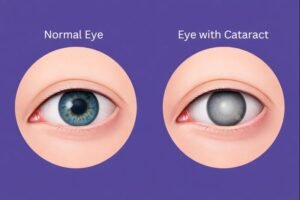
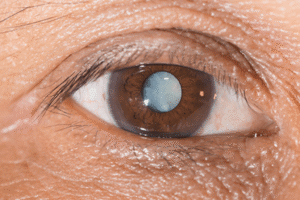
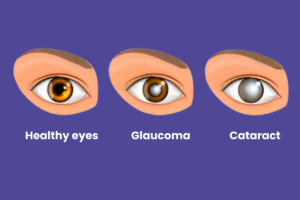
Cataracts, a common condition where the lens of the eye becomes clouded, affect millions of people worldwide. Cataract surgery, a safe and effective procedure, replaces the cloudy lens with an artificial intraocular lens (IOL) to restore clear vision. However, not all cataract lenses are the same, and choosing the right one is a crucial step in ensuring the best possible outcome from your surgery.
In this blog, we will guide you through the different types of cataract lenses (IOLs) available, their benefits, and how to choose the right one based on your unique vision needs.
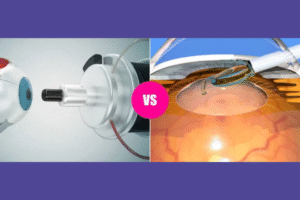
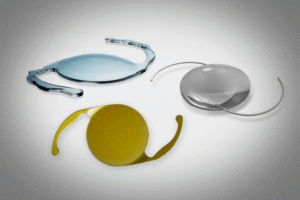
Intraocular lenses (IOLs) are artificial lenses implanted into the eye during cataract surgery to replace the cloudy natural lens. These lenses not only restore clear vision but can also correct refractive errors, such as astigmatism, nearsightedness, or farsightedness.
Concerned about your vision? Our specialists at Krisha Eye Hospital, Ahmedabad are here to help.
Krisha Eye Hospital — Near Vaishnodevi Circle, Ahmedabad
📞 Call Now 💬 WhatsApp UsIOLs are permanent and designed to remain in the eye for life. With various types available, each lens type offers specific advantages depending on your vision goals and lifestyle needs.
Types of cataract lenses (IOLs)
Let’s explore the four main types of IOLs commonly used in cataract surgery.
1. Monofocal lenses
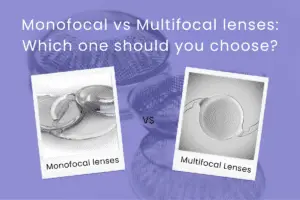
Purpose: Monofocal lenses are the most commonly used IOLs and provide clear vision at a single distance. They can be set to correct either distance vision or near vision.
Best for: Patients who don’t mind wearing glasses for close-up activities, such as reading or using a computer, after surgery.
Pros:
- Simple and highly effective for improving distance vision.
- More affordable compared to other IOLs.
- Ideal for those who prefer glasses for reading or other near tasks.
Cons:
- Does not correct for multiple distances. You will likely need glasses for near vision if your IOL is set for distance, and vice versa.
Ideal for: Patients with no pre-existing eye conditions like astigmatism and who prioritize cost-effectiveness.
2. Multifocal lenses
Purpose: Multifocal lenses are designed to correct both near and distance vision, reducing the need for glasses after cataract surgery.
Best for: Patients who want greater independence from glasses for activities like reading, driving, or using a computer.
Pros:
- Offers clearer vision at multiple distances.
- Reduces dependency on glasses or contact lenses after surgery.
- Especially beneficial for active individuals who require both near and distance vision.
Cons:
- More expensive than monofocal lenses.
- Some patients may experience visual side effects, such as glare or halos around lights, especially at night.
Ideal for: Patients seeking freedom from glasses and are willing to invest in a premium option for improved vision across various activities.
3. Toric lenses (for Astigmatism)
Purpose: Toric lenses are designed to correct astigmatism, a common condition where the cornea is irregularly shaped, causing blurred vision.
Best for: Patients with moderate to severe astigmatism who want improved uncorrected distance vision and less dependence on glasses.
Pros:
- Corrects both cataracts and astigmatism, providing sharper vision.
- Reduces or eliminates the need for glasses for distance vision.
Cons:
- More expensive than standard monofocal lenses.
- Not all patients are suitable candidates for toric lenses.
Ideal for: Patients with astigmatism who want a long-term solution for both cataracts and refractive errors, offering better visual clarity without glasses.
4. Extended Depth-of-Focus (EDoF) Lenses
Purpose: Extended Depth-of-Focus (EDoF) lenses are designed to provide a continuous range of vision, allowing patients to see clearly at both near and far distances with minimal dependence on glasses.
Best for: Patients looking for a more natural vision experience without the limitations of standard multifocal lenses.
Pros:
- Provides a smooth transition between different visual distances, improving overall visual quality.
- Reduces the incidence of halos and glare, which are common with multifocal lenses.
- Allows for clearer intermediate vision, making them suitable for tasks like computer work.
Cons:
- While they reduce the need for glasses, some patients may still require them for very fine print or specific tasks.
- More expensive than monofocal lenses.
Ideal for: Patients who want a balanced vision experience and prefer to minimize their reliance on glasses for daily activities.
Factors to consider when choosing a cataract lens
Selecting the right intraocular lens (IOL) involves multiple factors, including your lifestyle, eye health, and budget. Here’s what you need to consider before making a decision:
1. Your budget & Insurance coverage
- Basic monofocal IOLs are usually covered by insurance and Medicare.
- Premium IOLs (multifocal, EDoF, toric, trifocal) may require out-of-pocket expenses.
- Some providers offer financing options for premium lenses.
2. Vision priorities (Near, distance, or both?)
- If you want sharp distance vision (e.g., driving, outdoor activities), a monofocal IOL is ideal.
- If you want to reduce dependency on reading glasses, consider a multifocal, trifocal, or EDoF IOL.
- Monovision (one eye corrected for distance, one for near) can be an option for some patients.
3. Do you have astigmatism?
- Toric IOLs are specifically designed to correct astigmatism.
- Without a toric lens, additional laser vision correction might be required after surgery.
4. Other eye conditions (Pre-existing Issues)
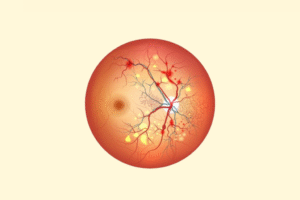
- If you have glaucoma, macular degeneration, diabetic retinopathy, or corneal diseases, some IOLs may not be suitable.
- Your ophthalmologist will assess whether a premium IOL is beneficial in your case.
5. How long does vision correction last?
- IOLs are designed to last a lifetime and do not degrade over time.
- Some patients may develop posterior capsule opacification (PCO), which can be corrected with a quick laser procedure.
6. Night vision & halos
- Multifocal and trifocal IOLs may cause glare, halos, or reduced contrast in low-light conditions.
- If you frequently drive at night, a monofocal or EDoF IOL might be a better choice.
7. Are you comfortable with some dependence on glasses?
- Multifocal and trifocal IOLs can significantly reduce reliance on glasses but may not eliminate them entirely.
- Monofocal IOLs will likely require glasses for near vision.
8. Lifestyle & Daily activities
- Active lifestyle? A multifocal or EDoF IOL can help with seamless transitions between different distances.
- Frequent computer use? EDoF or trifocal lenses can improve intermediate vision.
9. Type of surgery & Recovery considerations
- The surgical process is similar for all IOLs, but premium lenses may require additional pre-surgical measurements.
- Healing time is typically fast, but neuroadaptation (adjusting to premium IOLs) can take a few weeks.
10. Future eye surgeries or conditions
- If you may need LASIK or corneal procedures in the future, certain IOLs may be more suitable.
- Some IOLs are not recommended for patients with a high risk of retinal diseases.
Pros & Cons of each cataract lens type
Here’s a quick comparison of the different types of cataract lenses:
Which IOL is right for you?
Choosing the right intraocular lens (IOL) depends on your lifestyle, vision goals, and budget. Use this simple decision checklist to find the best option:
Step 1: What is your daily vision requirement?
✅ I want clear vision at one distance (near or far) → Monofocal IOL.
✅ I want to see at multiple distances with reduced need for glasses → Multifocal or EDoF IOL.
✅ I have astigmatism and need sharper vision → Toric IOL.
Step 2: How important is glasses independence?
✅ I don’t mind wearing glasses for reading or driving → Monofocal IOL.
✅ I want minimal dependence on glasses → Multifocal or EDoF IOL.
✅ I never want to wear glasses if possible → Trifocal or Premium IOL.
Step 3: Are you comfortable with slight adaptation periods?
✅ I prefer instant clarity without adjusting to new vision → Monofocal or Toric IOL.
✅ I’m willing to adapt to visual differences for more freedom → Multifocal or EDoF IOL.
Flowchart: Find your ideal IOL
📍 Start here ➜ Do you want to see clearly at all distances?
➡ Yes → Do you mind some adaptation time?
- No → Multifocal or EDoF IOL
- Yes → Trifocal IOL
➡ No → Do you want to correct astigmatism?
- Yes → Toric IOL
- No → Monofocal IOL
Conclusion
Choosing the right cataract lens can greatly improve your quality of life by providing clear vision that matches your lifestyle needs. Whether you’re looking for basic distance correction or a premium option that reduces your need for glasses, there’s a cataract lens that’s perfect for you.
At Krisha Eye hospital in Ahmedabad, our experienced team is here to help you find the best lens for your unique vision requirements. If you’re ready to take the next step toward clearer vision, schedule a consultation with us today and discover which cataract lens option is right for you.
Author bio
Dr. Dhwani Maheshwari, an esteemed ophthalmologist with over 10 years of experience, leads Krisha Eye hospital in Ahmedabad with a commitment to advanced, patient-centered eye care. Specializing in cataract and refractive surgery, Dr. Maheshwari has performed more than a thousand successful surgeries. Her expertise lies in phacoemulsification, a technique recognized for its precision in cataract treatment.
Dr. Maheshwari’s educational journey includes an MBBS from Smt. NHL MMC, a DOMS from M & J Institute of Ophthalmology, and a DNB in Ophthalmology from Mahatme Eye Bank Eye Hospital, Nagpur. She also completed a fellowship in phacoemulsification at Porecha Blindness Trust Hospital, further enhancing her surgical skills. In addition to her work at Krisha Eye Hospital, Dr. Maheshwari serves as a consultant ophthalmologist at Northstar Diagnostic Centre.
Under her leadership, Krisha Eye Hospital aims to bring all superspecialties under one roof, offering comprehensive eye care solutions for all vision needs.
FAQs