
Best Cataract surgery in Ahmedabad - 2
What is Cataract Surgery?
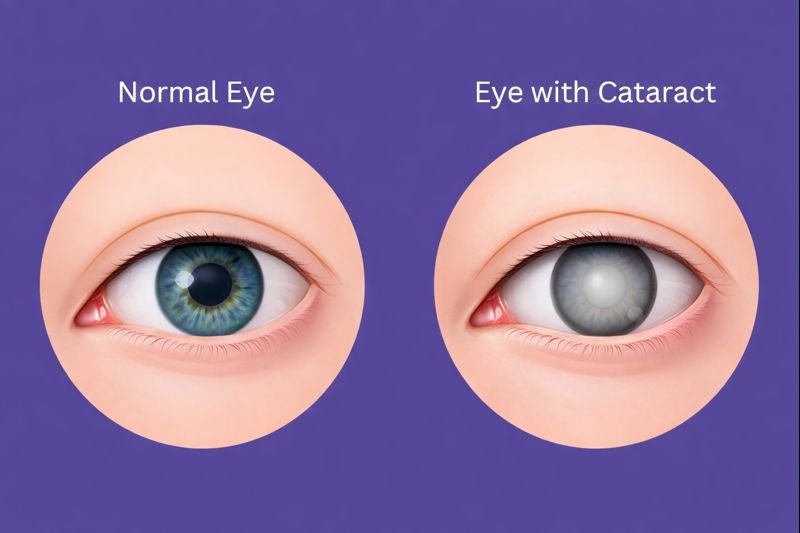
Cataract surgery is a safe and effective procedure to treat cataracts, where the eye’s natural lens becomes cloudy and affects vision. During the surgery, the cloudy lens is removed and replaced with a clear intraocular lens (IOL), restoring sharp and clear vision.
Cataract surgery is painless, quick, and usually done on an outpatient basis, allowing patients to go home the same day. It is ideal for those experiencing blurred vision or difficulty with daily activities, providing improved vision and a better quality of life.
Why is Cataract Surgery Needed?
Cataract surgery is needed when the eye’s natural lens becomes cloudy and starts affecting clear vision. This can make everyday activities such as reading, driving, watching television, or recognizing faces difficult. As cataracts progress over time, vision gradually worsens and glasses or contact lenses can no longer correct the problem.
Cataract surgery removes the cloudy lens and replaces it with a clear artificial lens, helping restore sharp and clear vision. This not only improves eyesight but also enhances overall comfort, safety, and quality of life.
Types of Cataract Treatment Available in Ahmedabad
Cataract treatment depends on the stage of the cataract and the patient’s vision needs. The most effective and commonly recommended option is cataract surgery, which involves removing the cloudy lens and replacing it with a clear intraocular lens (IOL).
Common types of cataract surgery include
Phaco cataract surgery is a modern, minimally invasive procedure in which ultrasound energy is used to break the cloudy lens into tiny pieces. These fragments are then gently removed and replaced with a clear intraocular lens (IOL). This technique involves a small incision, causes minimal discomfort, and allows for faster healing and quick visual recovery.
FLACS is an advanced cataract treatment that uses laser technology to perform key steps of the surgery with high precision. It improves accuracy, reduces manual intervention, and helps achieve faster healing with better visual outcomes.
ECCE is a traditional cataract surgery technique used for advanced or mature cataracts. In this procedure, a larger incision is made to remove the cloudy lens in one piece, followed by placement of an artificial intraocular lens. It is recommended when modern techniques are not suitable.
Intraocular lens options
Various types of intraocular lenses (IOLs) are available to help you focus clearly after cataract removal.
Each lens type comes with its own set of benefits and drawbacks.
Monofocal lenses
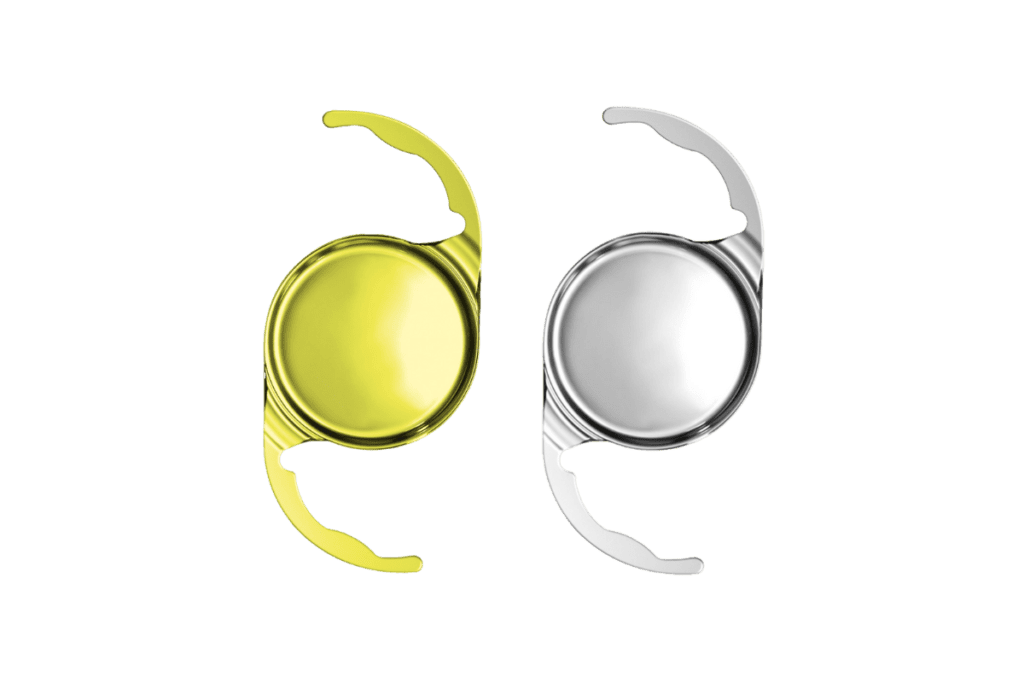
Monofocal lenses are the most frequently used type following cataract surgery. They provide a single point of focus, typically optimized for distance vision. As a result, patients usually need to wear glasses for reading or other close-up tasks.
Toric lenses
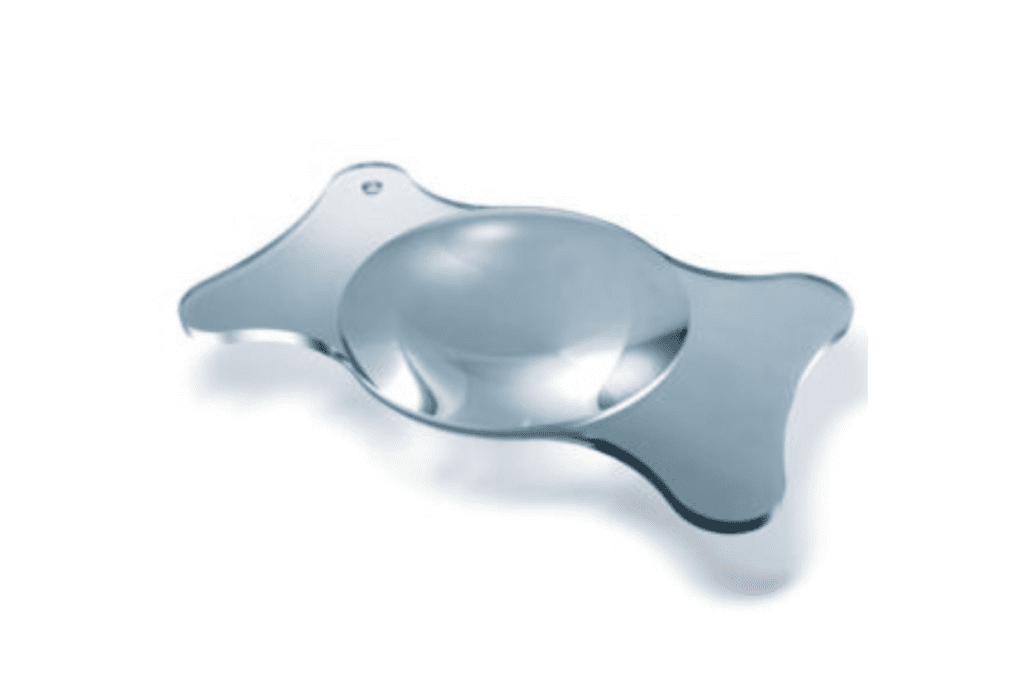
Toric lenses are designed to correct astigmatism, improving clarity for patients who had astigmatism prior to surgery.

Extended Depth-of-Focus (EDoF) lenses
EDoF lenses are crafted to offer clear vision at both distance and intermediate ranges, making them ideal for tasks like using a computer, watching television, or reading a car dashboard.
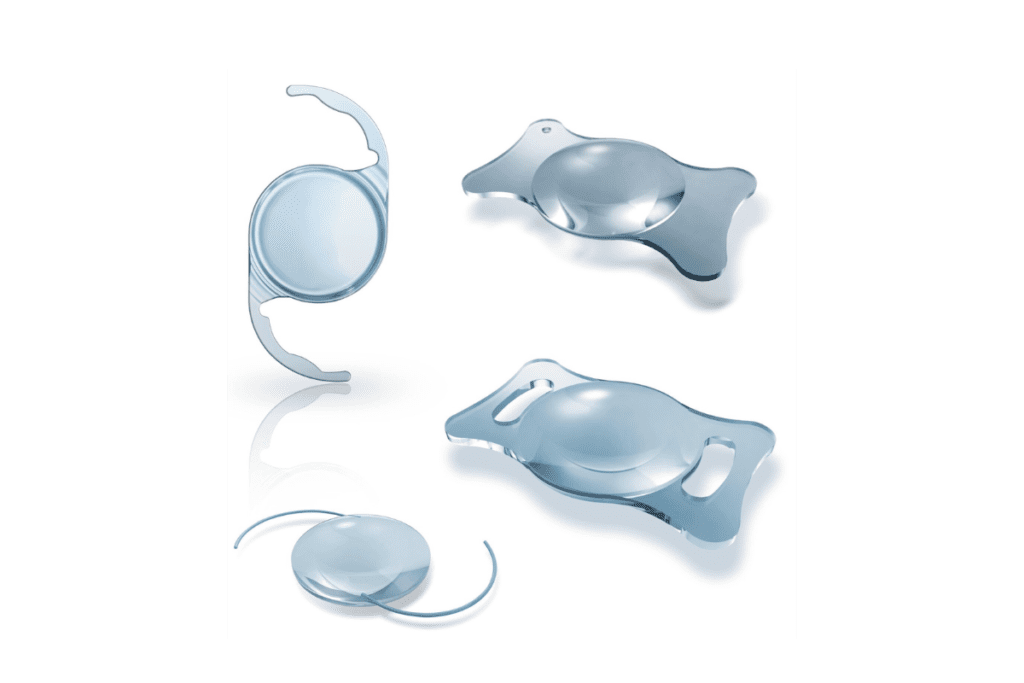
Multifocal lenses
Multifocal IOLs are designed to split light, enabling focus at multiple distances—near, intermediate, and far. However, this design may lead to a slight compromise in visual quality and contrast.
How to prepare for cataract surgery?
Before your cataract removal surgery, your eye doctor will conduct a thorough eye examination, measure the shape and size of your eye, and discuss the different types of intraocular lenses (IOLs) available. One of the most critical decisions during your cataract surgery preparation is selecting the right lens implant that suits your lifestyle and vision problems. They will also go over any medical history and ensure you’re in good health for the procedure.
During cataract removal surgery, the eye specialist will make a tiny incision in your eye to access the clouded lens. Using ultrasonic waves, they will break the lens into small fragments, which are then gently removed. An artificial intraocular lens (IOL) is then inserted into the eye to replace the natural lens.
Cataract surgery is usually a quick procedure, taking about 15 to 30 minutes. Including preparation and recovery time, you can expect to spend a few hours at the surgical center.
After cataract surgery, you may experience some mild discomfort and blurred vision as your eye heals. Your ophthalmologist will provide specific instructions for care, and you’ll need to use eye drops to prevent infection and inflammation. A follow-up visit will be scheduled to monitor your recovery and ensure the new lens is functioning properly.
After cataract surgery, most patients begin to notice clearer vision within a few days, while complete healing usually takes about four weeks.
Do’s:
- Use prescribed eye drops.
- Wear your protective eye shield.
- Attend follow-up appointments.
Don’ts:
- Rubbing your eyes.
- Getting water or soap in the eye.
- Strenuous activities, driving, or eye makeup until cleared by cataract surgeon.
Proper care ensures a safe, quick recovery and restores your vision effectively.
Complications of Cataract Surgery
The following are some possible complications after cataract surgery.
- Blurred vision: Temporary, usually clears in days to weeks.
- After-cataract (PCO): Cloudy vision months later; treatable with a quick YAG laser.
- Floaters: Usually harmless; flashes of light require immediate attention.
- Eye pain or infection: Rare but serious; urgent care is needed.
- Dry or watery eyes, glare, halos (dysphotopsia): Usually temporary.
When to See a Doctor Immediately After Cataract Surgery
Cataract surgery is generally safe, but it’s important to seek immediate medical attention if you notice
- Severe or worsening pain in your eye
- Extreme sensitivity to light (photophobia) beyond the normal recovery period
- Persistent redness or swelling around the eye
- Unusual discharge, especially thick, yellow, or green
- Sudden vision changes, including blurred, double vision, or flashes of light
Why Choose Krisha Eye Hospital for Cataract Surgery
At Krisha Eye Hospital, we provide safe, effective, and personalized cataract surgery
Dr. Dhwani Maheshwari and our expert team ensure precise and reliable outcomes.
We use modern surgical techniques for accurate and comfortable treatment.
Each patient receives customized treatment and thorough follow-up for smooth recovery.
Our staff guide you from consultation to post-operative care.
Convenient cashless treatment and reimbursement assistance are available.
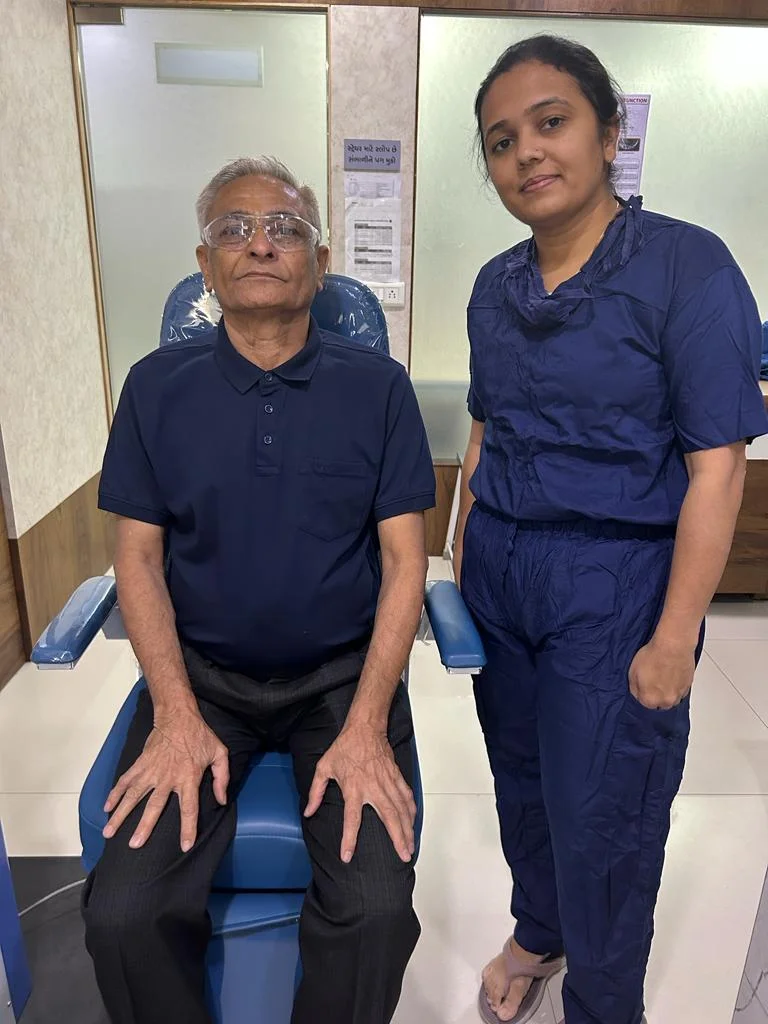
Cashless and mediclaim facilities available with leading insurance companies.









Dr. Dhwani Maheshwari - Best Cataract Surgeon in Ahmedabad
Dr. Dhwani Maheshwari, DOMS, DNB Ophthalmology
Dr. Dhwani is one of the leading cataract surgeons in Ahmedabad, with extensive expertise in phacoemulsification and advanced cataract surgery.
Experience & Specialization:
- Skilled in the latest ophthalmology techniques and modern cataract procedures.
- Specialized in phaco cataract surgery for safe and precise vision restoration.
Education & Training:
- MBBS – Smt. NHL MMC
- DOMS – M and J Institute of Ophthalmology
- DNB Ophthalmology – Mahatme Eye Bank Eye Hospital, Nagpur
- Phaco Fellowship – Porecha Blindness Trust Hospital, Bareja
With Dr. Maheshwari, patients receive personalized care, advanced treatment, and excellent surgical outcomes, making her a top choice for cataract surgery.
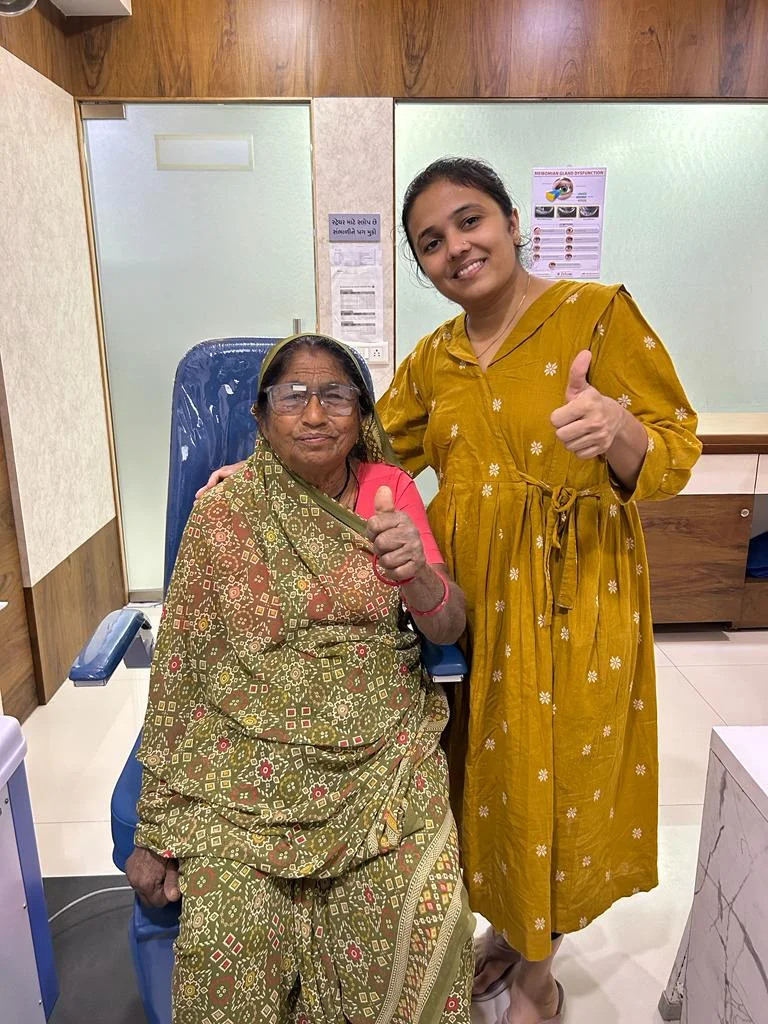
What our patients say about their
cataract Surgery
Our Happy patients
Shankar Padmanabhan
Krisha Eye Hospital offers unparalleled eye care with a keen eye for details to diagnose the issue and solve it flawlessly ! Kudos !!! 👌
My mother underwent Cataract surgery yesterday (11th Sep’23) headed by Dr.Dhwani Maheshwari. Her skills, kindness towards patients, smile, approach were all very impressive which led to my mom’s pain-free cataract surgery – which is very appreciable.
My mom’s vision has significantly improved within 24 hours, which talks volumes about the the Dr’s expertise in the field of Ophthalmology.
On 22nd Sep, the Right Eye Cataract surgery also was done successfully without any hassles….
As it is said, medicine or treatment is only 50%, the Dr’s approach to patients determines the remaining 50% of the outcome. We were absolutely convinced that my mom is in the safe hands of Dr.Dhwani.
Best wishes to Dr and thanking her for all the great care & support.
I highly recommend Dr.Dhwani Maheshwari, ably supported by Dr.Atish Patel – Krishna Hand & Eye Hospital @ Vaishnodevi circle for all those people with Opthalmic problems.
Bhavin Panchani
We approached Krisha hospital for my father’s cataract treatment operation. Our experience with dr.dhwani was excellent.
Excellent treatment and service. Doctor is very approachable and explain everything in very easy way to client. Thanks you very much.
One must visit for any kind of eye related consultation and surgery.
Nilesh Parwani
I personally recommend this hospital because I have undergone cataract extraction surgery last week just before Diwali. There is some portion has left. If dr Dhwani has not informed I will never know in future. But she has informed me honestly. So I liked this approach towards her work and but obvious operation has did very nicely. So I am really thankful to mam.
Amit Gajjar
Had a good experience at Krisha Eye Hospital. We consulted Dr. Dhwani Maheshwari for my grand mother’s Cataract surgery and she has explained the details of the surgical procedure for cataract needed for the said surgery very precisely with transperancy of lence to be used and helped in selection of the lense to me and my grandmother and she is very good of in nature too.
A must visit hospital for eye related treatment nr. Vaishnodevi area.
Dipesh Suthar
Hello friends I am glad to inform you about Dr Dhwani that I was very worried about doing cataract removal surgery on both eyes as my elder brother who is mentally ill for the last several years and he is undergoing cataract surgery on both eyes. Dr. Dhwani Maheswari explains this cataract operation in a very simple and effective manner to the young child in a very simple and effective manner in a situation where he was not ready for this and was not ready for his personal medicine and treatment. As soon as he fell unconscious, he was operated on cataract and I was afraid that he himself is mentally ill and if he does not pay attention, if he falls asleep, who will take care of him? In this situation, the way he performed this operation very effectively after one week and the fear that I had inside me that if this brother does not pay attention, then his eyes will go away, today by giving the necessary treatment to my brother who is mentally ill. Today they can read without any problem and there is no problem.
I cannot thank Dr Dhwani Maheswari enough for this. Thank you very much.
Mukesh Thakor
My mother’s eye cataract treatment done by Dr dhwani maheshwari we are satisfied with that.
Pallav Vora
My mother had undergone a cataract operation at this hospital. Dr. Dhwani took very good care of everything. Staff is polite and very helpful. Hospital is very clean and fully equipped with modern facilities . Great experience…God bless you… 🙏
Nilesh Prajapati
Very nice hospitality,
Perfect treatment for eyes illness.
I got best experience while curing my daughter’s eye infection.. highly recommend this clinic.
Jan-2024:
I got my wife eye cataract operation done here, which went successfully and very much satisfied with doctors team, follow ups, staff etc.
Recommend for eyes with best results.
Thakor Bhavesh
Very good service and my mother’s cataract surgery operation done by dr dhwani maheshwari we r satisfied with that.
Girish Joshi
An Surgery was an fearful thought until yesterday when I got operated for catract by Dr.Dhwani Maheshwari MBBS. DOMS. DMB (Opthalmologist) at Krisha Hospital. My fear vanished along with problem after just 15 minites of surgery. I regained my normal vision All the best wishes and keep growing. GOD bless.
The reliability creats confidence. I underwent second eye cataract removal surgery on 3rd of Nov. I was at home back after 15 minits again. On final follow up Dr Dhwani finds my eyesight restored to normal, hence no more glasses to wear. Feeling excellent. Thanks to Dr. Dhawani and her dedicated team.
Ankit Patel
Mara father ni cataract surgery Thai che Dr dhwani maheshwari ae kriyu che aemne hal bavvj saru che .. ame aa surgery thi santushth che Dr dhwani is very kind person and staffs are also good. Hu badha ne ahiya Java mate advise kru Chu.
Devansh Thakor
My grandmother had a cataract in her left eye, so we had the cataract operation done by Dr. Dhavani Maheshwari. madam is very good he has done my grandmother’s operation very well madam is very smart
And the hospital staff is also very good.
If anyone has eye problems, you should go to Dr. Dhavani Maheshwari.
Pravin Shah
Me ahiya motiyabind operation karvyu 6 bau areas 6 mane have …dr dhwani maheahwari Ben a khub sari ritay operation karyu …Dr dhwani Ben no savbhave pan khub saro 6 khub sari ritay operation p6i badhi mahiti aapi …
Ratan Rajpurohit
Mara uncle nu operation karayu che motiya nu have aemnay saru che operation successful thai gyu che. Dr dhwani she is very good.


FAQs related to Cataract Surgery
You can book appointment by contacting our hospital directly through phone number, or by using the online appointment system.
During your first visit, you will undergo a comprehensive eye examination to assess the severity of your cataracts and determine the best surgical approach for you. Our eye specialist will discuss your medical history, perform diagnostic tests, and explain the details of the surgery, including the types of intraocular lenses (IOLs) available.
Krisha Eye hospital in Ahmedabad follow strict safety protocols to ensure patient safety and successful outcomes. This includes thorough pre-surgical assessments, state-of-the-art sterilization procedures, and the use of advanced surgical technology. Our eye specialists are committed to adhering to the highest standards of patient care and safety.
Cataract surgery at Krisha eye hospital is an outpatient procedure, meaning you can go home the same day. However, we recommend arranging for someone to drive you home after the surgery, as you will not be able to drive yourself.
Krisha Eye hospital in Ahmedabad provides thorough post-operative care to ensure a smooth recovery. This includes detailed aftercare instructions, prescribed eye drops to prevent infection and reduce inflammation, and follow-up appointments to monitor your healing process. Our team is always available to answer any questions and address concerns during your recovery.
Krisha Eye hospital in Ahmedabad provides comprehensive follow-up services, including regular check-ups to monitor your recovery and ensure optimal results. Our eye specialists will also provide guidance on any additional care you may need, such as adjustments to your eyewear or further treatments.
At Krisha Eye hospital in Ahmedabad, we consistently achieve excellent outcomes for our patients, with many experiencing significant improvements in their vision following the procedure. Our use of advanced techniques and the expertise of our experienced surgeons contribute to these successful results.For detailed success rates related to cataract surgery, please consult with our team.
The cost of cataract surgery can vary based on several factors, including the type of procedure, the type of intraocular lens (IOL) used, and any additional services or follow-up care required. We offer a range of options to fit different needs and budgets. We recommend contacting or visit our hospital to get a detailed estimate based on your specific case and financing options available.